


Article: Citrine Benefits: The Meaning & Symbolism of the Sunshine Stone
Citrine Benefits: The Meaning & Symbolism of the Sunshine Stone
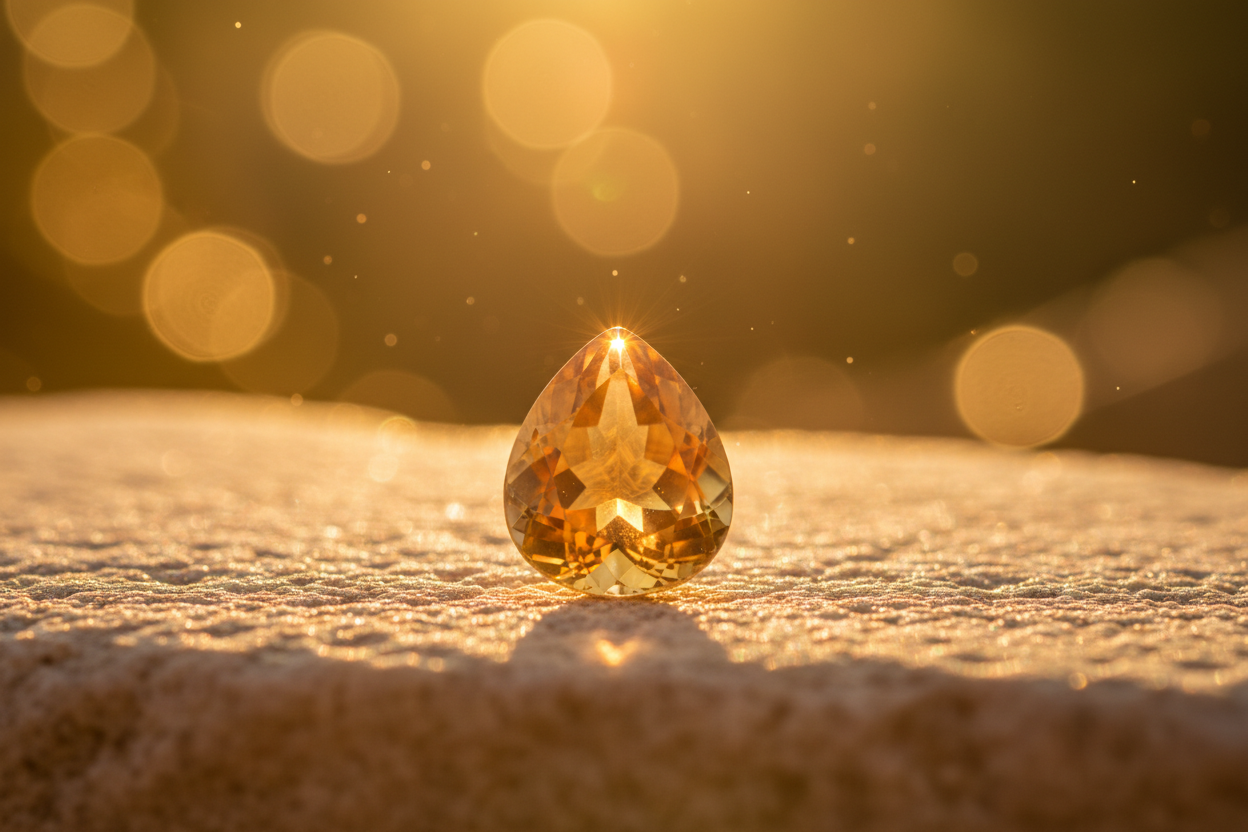
Citrine is a warm yellow-to-orange gemstone traditionally associated with optimism, confidence, and abundance. Nicknamed the "Success Stone" and "Merchant's Stone," it has long been a symbol of positivity and creativity — a meaningful, uplifting gem to wear. Here's what citrine symbolises and how to enjoy it.
What Is Citrine?
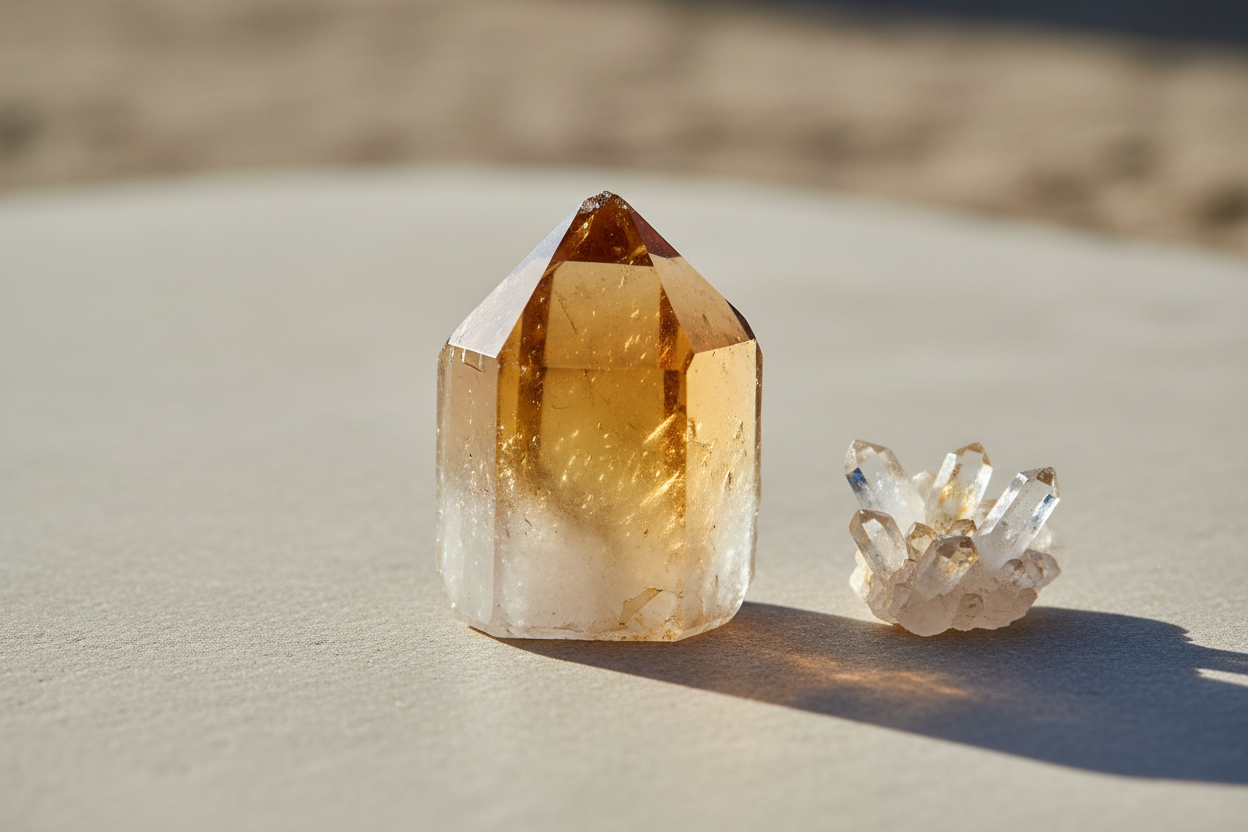
Citrine is a golden variety of quartz, ranging from pale lemon to rich amber. Its sunny colour has made it a favourite for jewellery for centuries, and it's one of November's two birthstones (alongside topaz). At Irosk, our citrine is set in bright 925 sterling silver.
The Symbolism of Citrine
Citrine's warm glow has earned it a rich place in gemstone folklore. While these meanings are part of tradition and belief rather than proven fact, they're a lovely part of what makes citrine special:
- Optimism & positivity: Citrine's sunny hue has long been associated with a bright, can-do outlook.
- Confidence & motivation: Often called a stone of personal power, citrine is traditionally linked to self-belief and drive.
- Creativity: Many people associate citrine with inspiration and creative flow.
- Abundance: As the "Merchant's Stone," citrine has historically been a symbol of success and prosperity.
What Citrine's Colours Mean
In gemstone tradition, each shade of citrine carries its own symbolism. Pale lemon tones are traditionally linked to fresh starts and clear thinking; classic golden yellow is the "sunshine stone" shade of optimism and joy; honey amber is associated with warmth and confidence; and deep Madeira citrine — the richest colour — is historically tied to prosperity, the heart of the "Merchant's Stone" nickname. These colour meanings come from folklore and belief rather than fact, but they add a personal layer to choosing a stone. See the full colour spectrum in our citrine guide.
Why People Love Citrine
Beyond its symbolism, citrine is simply a joy to wear. Its warm tones are universally flattering across skin tones, it's durable enough for everyday jewellery with proper care, and its cheerful colour makes it a meaningful gift for any occasion — not only November birthdays.
How to Wear & Enjoy Citrine
Citrine is wonderfully versatile. Wear it as a necklace, earrings, a ring, or a bracelet to keep its sunny energy close, or browse the complete citrine jewellery collection in 925 sterling silver.
FAQs About Citrine
What does citrine symbolise?
Citrine is traditionally associated with optimism, confidence, creativity, and abundance — which is why it's nicknamed the "Success Stone."
What does citrine's colour mean?
In gemstone tradition, paler citrine is linked to fresh starts, golden yellow to optimism and joy, and the deepest amber tones to prosperity — folklore meanings rather than fact.
Is citrine a birthstone?
Yes. Citrine is one of November's birthstones, alongside topaz.
What metal suits citrine best?
Bright 925 sterling silver gives citrine a clean, modern look that lets its warm golden colour shine.
Explore our full November birthstone collection to find your sunshine stone.
About Irosk Australia
Irosk is an Australian jewellery brand specialising in handcrafted 925 sterling silver birthstone and gemstone jewellery. Founded by Ish and Lovneet in 2021 and based in Brisbane, Irosk creates timeless, meaningful pieces designed for gifting and everyday wear — each one crafted with care and accurately described so you always know exactly what you're getting. Your stone. Your story.